Ease Your Hips and Back From the Comfort of Your Couch

Today we dive into Living Room Couch-Based Hip Flexor and Lower-Back Release, transforming a familiar seat into a supportive studio for mobility, ease, and calm. You’ll learn clear setups, breathing cues, and gentle progressions, plus ways to listen to your body, track improvements, and celebrate sustainable comfort at home.

Why Your Hips Hold Tension

Our daily sitting compresses hip flexors and subtly tugs the pelvis forward, asking the lower back to overwork. Understanding these mechanics explains why a simple, supported position can feel miraculous. We’ll map sensations, avoid forcing, and let time, breath, and alignment do restorative work.

Setting Up a Safe, Supportive Couch Station
Before any release, set your environment to be predictably comfortable. Gather pillows, a folded towel, and perhaps a strap or scarf. Clear floor space beside the couch, silence distractions, and commit to pain-free ranges. We’ll build a forgiving nest that invites longer, more effective holds.

The Foundational Release: Supported Couch Lunge

Step-by-Step Entry and Exit

Kneel beside the couch, slide the back shin up along the backrest, then place the front foot forward so the knee stacks over the ankle. Pad generously. Ease in for thirty to ninety seconds, breathe slowly, and exit deliberately, supporting the shin with both hands.

Breathing That Unlocks Hip Flexors

Inhale into the sides of your ribs and low belly, then lengthen the exhale until your shoulders naturally soften. Try a gentle four-in, six-out rhythm. Each smooth breath tells the nervous system it is safe, which invites deeper release without forceful pushing.

Progressions for Different Bodies

Not every body likes the same angles. Shorter femurs, sensitive knees, or tight quads may demand more padding and a shallower knee bend. Adjust distance from the couch, add cushions, or lower the back shin to tailor pressure while keeping everything pain-free.

Pelvic Tilts and Micro-Movements

Lie back and try slow posterior and anterior pelvic tilts, like rocking a bowl of water without spilling. The movement is tiny yet influential. Feel how the lower abs engage, the sacrum glides, and protective back tension reduces without any aggressive leverage.

Glute Activation as a Gentle Shield

Gently activate the glutes in short, low-effort squeezes while maintaining neutral spine. This balances the anterior pull from tight hip flexors. Think whispers, not shouts—just enough to share support across the pelvis so the lumbar area stops doing every job alone.

Make It a Habit: Ten-Minute Living-Room Flow
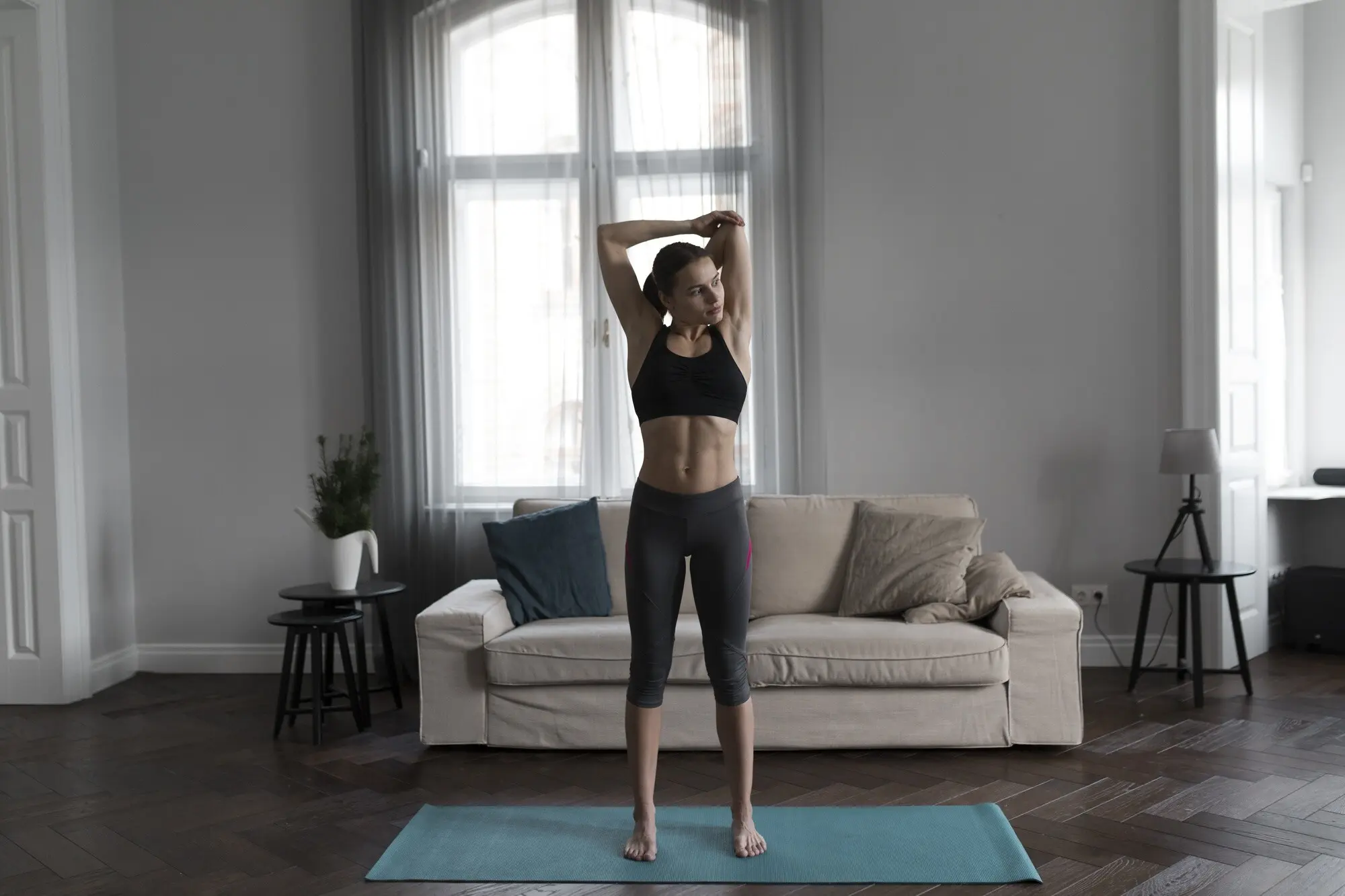
Small, regular sessions outperform heroic marathons. Build a repeatable routine that slips into daily life, aligned with cues you already follow—kettle boiling, episode intros, or brushing teeth. Consistency tames tightness, strengthens habits, and gradually widens comfortable ranges without derailing energy for everything else you enjoy.
Slide into a short session while water warms. One side gets the supported lunge, then switch. Add three breathing cycles of pelvic tilts. Finish with a gentle glute squeeze series. The ritual fits busy evenings and leaves you calmer before dinner or sleep.
During commercials or transitions, hold thirty to sixty seconds per side, breathing long and smooth. Mix in standing quad stretches or ankle rocks between sets. You will return to the couch refreshed, and surprisingly, the episode feels better when your body finally unwinds.
Use weekends for a slower, exploratory session. Layer props, extend holds slightly, and journal sensations. Try gentle heat before you begin. Close with a brief walk to integrate changes. The goal is curiosity, not conquest, so you leave energized rather than depleted.

Science, Signals, and Measuring Progress

Your body speaks through sensations, range, and recovery speed. Learn to differentiate productive stretch signals from red flags. Simple measurements—knee-to-wall distance, lunge depth without sway, or photo angles—highlight progress. Celebrate micro-improvements, then rest generously so tissues adapt and your nervous system integrates the update.

Listen for Good Discomfort, Not Warning Pain

A gentle pulling sensation across the front hip with steady breath is a green light. Pinching in the joint, tingling, or zaps are not. Move smaller or change angles. Persistently sharp symptoms deserve professional evaluation before continuing any mobility or strengthening work.

Simple At-Home Mobility Benchmarks

Try measuring how far the front knee tracks over the toes without pelvis twist, or whether you can touch the couch back with less padding. Balance both sides. Frequent small check-ins show trends better than one dramatic test after a rare monster session.

Track Wins: Journal, Photos, Micro-PRs

Record a two-sentence note after each practice with date, side-to-side feel, and one win. Snap occasional photos of your setup. Looking back reveals momentum during plateaus, encouraging you to stay consistent when progress feels quiet but important things are clearly changing.

Community, Accountability, and Next Steps

Movement grows in good company. Trade pictures of your couch setup, swap playlists that help you breathe slower, and tell stories about what finally clicked. Ask questions, suggest future explorations, and invite friends. Accountability, kindness, and curiosity transform occasional experiments into durable, rewarding rituals.

Share Your Couch Setup

Post a quick snapshot of your pillows, towel folds, and foot placement, then describe what sensations changed compared to yesterday. Sharing details helps others troubleshoot gently while reminding you that improvement is usually about patience, not heroics or unusually impressive flexibility.

Questions We Can Explore Together

Wondering about nerve tension, breathing rhythms, or which prop stack felt safest? Drop a comment, and we’ll explore options together. Your questions become guides for upcoming walkthroughs, so everyone benefits while you receive tailored ideas to move forward confidently and comfortably.
Lorimoririnodexo
Privacy Overview

This website uses cookies so that we can provide you with the best user experience possible. Cookie information is stored in your browser and performs functions such as recognising you when you return to our website and helping our team to understand which sections of the website you find most interesting and useful.