Open Your Chest, Stand Tall with Everyday Support
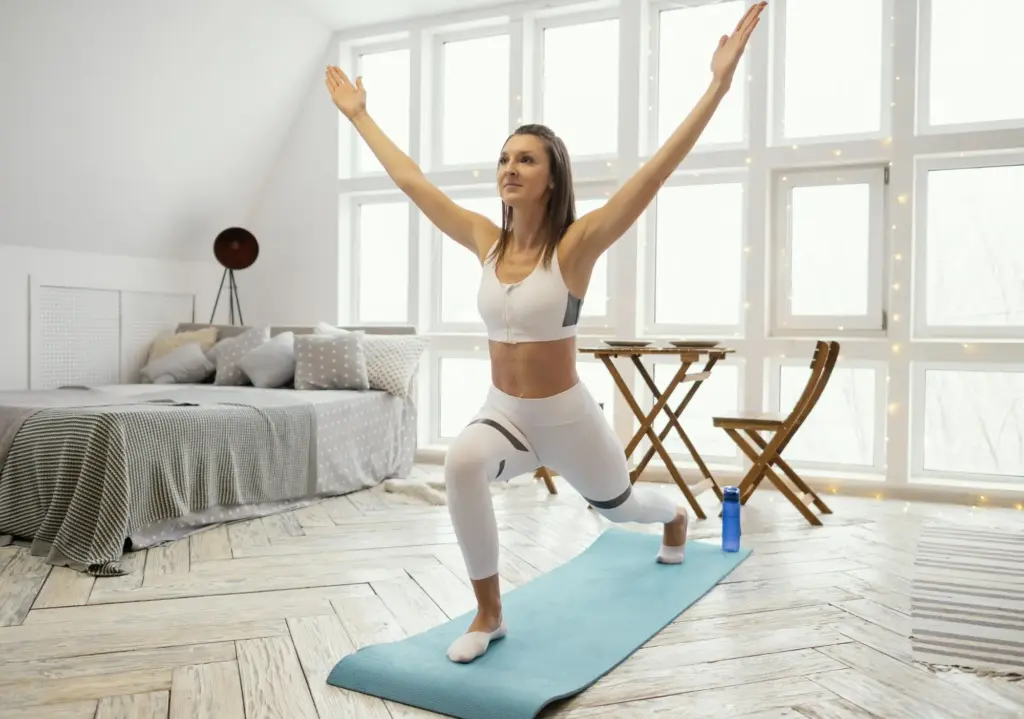
Step into your corridor and transform it into a friendly studio as we explore the Hallway Wall-Assisted Posture and Chest-Opening Sequence. With nothing more than a clear wall and curious breath, you will retrain alignment, awaken sleepy upper-back muscles, and release stubborn chest tightness. Expect clear cues, practical anatomy insights, and small victories that stack into lasting ease, ready for workdays, backpacks, parenting, travel, and every ordinary moment.

Find a Safe Wall

Scan for a flat, solid surface without frames, switches, or shelves at head height, and enough hallway length to step back comfortably. Test footing for slip resistance, soften harsh lighting, and check door swing clearance. These tiny choices lower fear, protect joints, and invite full, confident range.

Baseline Posture Check

Stand with heels hip-width, sacrum, mid-back, and skull gently touching the wall, knees soft. Notice ribs quietly stacked over pelvis and weight spread across tripod feet. Compare right and left shoulders. This honest snapshot becomes your compass, clarifying progress without perfectionism or self-critique clouding attention.

Breath Primer

Place palms low on ribs and feel them widen three-dimensionally as you inhale, then melt down and in as you exhale. Keep sternum heavy, throat relaxed, and jaw ungripped. Breath becomes your pacing metronome, enabling smooth shoulder motion without overusing neck or lower back.
Gentle Activation to Wake Supportive Muscles

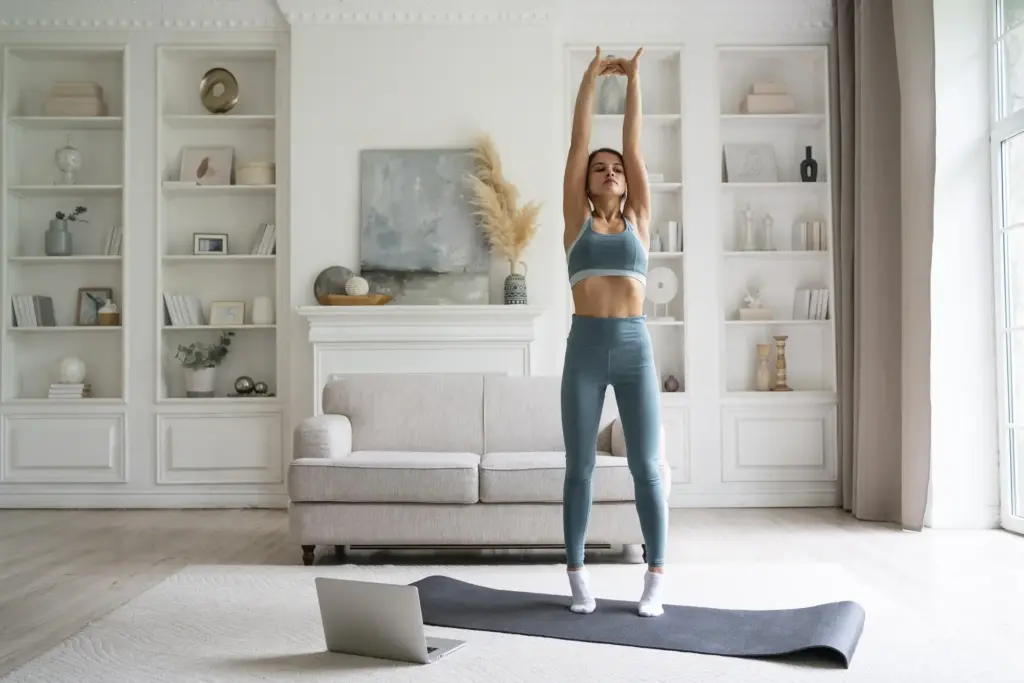
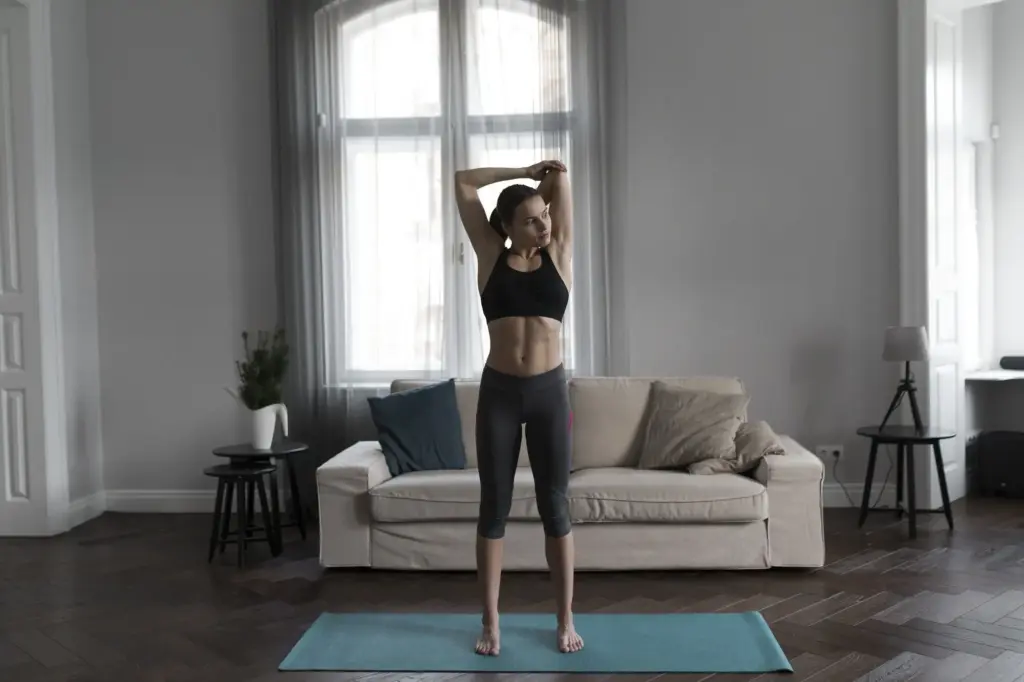
Before big opening, coax smaller stabilizers online. We’ll spark scapular control, nudge rotator cuffs awake, and engage deep core so the ribcage stops stealing every job. These light, friendly drills create circulation, reassure the nervous system, and build trust that strength and mobility can collaborate. Expect warmth rather than fatigue, precision rather than strain, and a steady sense that the hallway itself is quietly coaching alignment decisions.

Align From Feet to Crown

Instead of forcing flexibility, we’ll build a stacked shape where bones carry weight and muscles cooperate. Foot tripod, soft knees, neutral pelvis, quiet ribs, and long back-of-neck become your guide. The wall offers feedback you cannot outthink, revealing hidden compensations and rewarding curiosity over intensity every time.

Head and Neck Relationship

Lightly touch the back of your skull to the wall, lengthening through the crown while keeping the throat free. Imagine a peach under your chin rather than smashing it. This balance decompresses the upper spine, reducing forward-head strain and setting the stage for easier shoulder elevation.

Ribcage Over Pelvis

Place one hand on sternum, one on pubic bone. Breathe without flaring ribs or tucking hard. Picture a quiet stack, like blocks that neither wobble nor clamp. This alignment reduces backbending cheats during chest opening, inviting true thoracic mobility and sustainable, repeatable comfort afterward.

Progressive Chest Opening With Wall Feedback

Now translate preparation into generous space across the collarbones and sternum. We’ll use small angles first, listening for ease, then widen gradually. The wall’s steady presence prevents overreach, helps you feel scapula glide, and celebrates expansion that comes from patience, not forcing, delivering posture that feels earned.

Doorway-Inspired Pec Stretch Using One Wall

Stand staggered stance, forearm vertical on the wall, elbow just below shoulder height. Inhale tall; as you exhale, rotate chest away a whisper until you sense a broad front-shoulder spread, not a pinch. Hold, breathe, and notice tingles fade into sustainable openness rather than flash-in-the-pan intensity.

Wall Angels With Respectful Range

Back, ribs, and skull lightly touch the wall. Slide arms from goalpost toward overhead, tracking wrists and elbows against the surface only as far as ribs remain quiet. Pause where breath stays smooth. This builds endurance in mid-back muscles that support open, buoyant carriage daily.

Thoracic Extension Over Towel at the Wall

Place a rolled towel horizontally behind your upper ribs, lean back gently, and breathe into the pressure. Keep pelvis neutral and chin soft. Each exhale invites a bit more vault-like lift through the chest without collapsing the neck, creating springy support rather than rigid tension.

Strength Meets Mobility for Lasting Change

Wall Plank With Protraction

Place hands on the wall slightly below shoulders, step back, and create a long line from heels to crown. Inhale calm; exhale to gently push the wall away, spreading shoulder blades. Feel serratus engage without shrugging. This strength supports open ribs and balanced, breezy posture afterward.

Band Pull-Aparts Facing the Wall

Stand tall with ribs quiet and pelvis neutral. Hold a light band at chest height, exhale to separate hands while keeping wrists straight and collarbones smiling wide. Think broad back, not grippy neck. This pattern cements shoulder centration that keeps openness available under real-life demands.

Isometric Reverse Fly at the Wall

Press backs of hands into the wall at about waist height, elbows soft, ribs steady. Breathe while imagining pulling the wall apart sideways without moving. Mid-back wakes, chest stays expansive, and your nervous system learns strength can coexist with gentleness, transforming posture from inside out.

Cool Down, Integrate, and Reflect
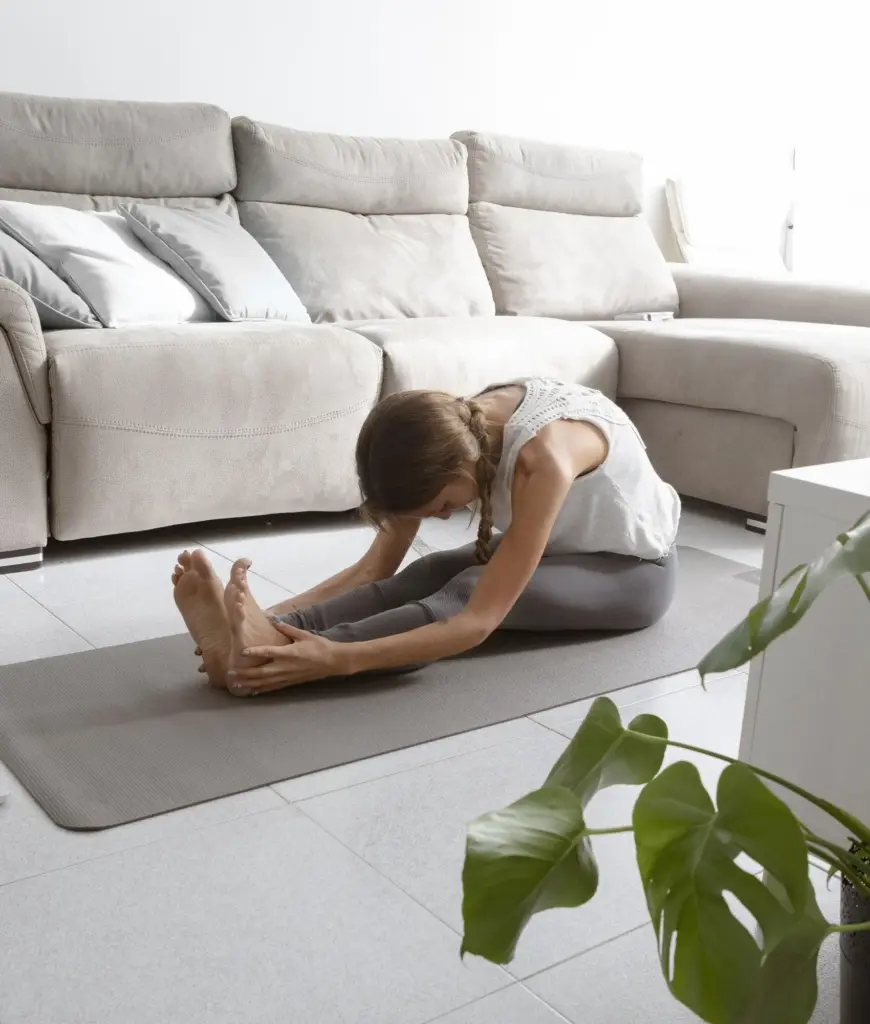
After creating new space, we let tissues, breath, and attention settle so changes stick. Calmer pacing, longer exhales, and simple shapes invite the body to memorize ease. You’ll leave grounded, alert, and open, ready to re-enter daily life with shoulders friendly and heart-forward energy. Share one insight in the comments or subscribe to follow new hallway-friendly practices that keep progress steady.

Supported Child's Pose at the Wall

Kneel facing the wall, slide hands up until elbows soften, and hinge hips back while breath fills your back like wings. Keep ribs quiet and neck easy. This mellow shape rehydrates tissues, balances the stretch you cultivated, and brings you home to calm presence.

Side Body and Neck Unwind

Stand side-on to the wall with one forearm resting, step outside foot behind, and arc gently through ribs while turning eyes softly. Keep shoulders down. Slow breaths widen the lateral lines, soothing computer-hour tightness and freeing the neck to swivel without dragging the chest.

Journal a Quick Win

Take one minute to note a sensation, a cue that helped, or a task that now feels easier, like reaching the top shelf or sitting taller at dinner. Naming small changes builds motivation, invites accountability, and helps future sessions begin already halfway toward comfort.
Lorimoririnodexo
Privacy Overview

This website uses cookies so that we can provide you with the best user experience possible. Cookie information is stored in your browser and performs functions such as recognising you when you return to our website and helping our team to understand which sections of the website you find most interesting and useful.